Table Of Content

This pattern evokes a sense of regality and heritage, firmly linked to the esteemed Royal House of Stewart. Houndstooth plaid, characterized by its distinct broken checks resembling a dog's tooth, exudes timeless elegance. This iconic pattern seamlessly intertwines history and style, offering a sophisticated touch to ensembles. Its versatility spans beyond attire, extending its embrace to encompass kitchen textiles and home embellishments. Whether adorning cozy shirts, welcoming tablecloths, or imbuing curtains with a timeless appeal, gingham plaid seamlessly integrates into everyday aesthetics. Its unpretentious elegance embodies a comforting nostalgia that captivates fashion and home design.
Ultimate Guide to Thrifting for Home Decor
The pattern gets its name from Tattersall’s Horse Market, a bloodstock auctioneer which started in 1766 and still trades Horses to this day. During the eighteenth century, Tattersall’s sold horse-blankets which featured this plaid. Modern plaids like Glen plaid feature small, overlapping squares in different colours.
Adding Finishing Touches
That is especially true since the plaid pattern has a long history and has been one of the most popular patterns for a long time. In this comprehensive guide, we will take you through the step-by-step process of creating stunning plaid patterns. From the timeless appeal of tartan to the playful energy of Madras, plaid patterns have left an indelible mark on fashion and design. With their diverse history and adaptable nature, plaid patterns remain a favorite choice for fashion enthusiasts and interior decorators alike. The windowpane plaid, characterized by its broad and meticulously spaced lines, mirrors the geometric precision of a window's grid. This understated yet elegant pattern emanates an air of refinement that effortlessly transcends casual and formal contexts.
Scotland Forever Tartan Plaid
Nike Dunk Low Disrupt 2 Plaid Cocoa Wow FV3640-071 - Sneaker Bar Detroit
Nike Dunk Low Disrupt 2 Plaid Cocoa Wow FV3640-071.
Posted: Mon, 06 Nov 2023 08:00:00 GMT [source]
There is also an older or antique variety with muted gray shades instead of navy blue. By carefully layering the secondary colors and paying attention to detail, you’ll gradually witness your plaid pattern come to life with vibrant colors and a sense of visual harmony. Painter’s tape is a crucial tool for creating clean, straight lines in your plaid pattern. Additionally, a ruler or measuring tape will help you maintain accurate measurements and spacing throughout the painting process. The Royal Stewart Tartan, an icon among plaid patterns, boasts an instantly recognizable identity with its vivid red backdrop adorned by navy and yellow lines.
It all starts with a single stroke that runs across your entire pattern. Remember, precision is crucial here – each stripe must align perfectly. A millimeter off can make the difference between a well-crafted plaid pattern and a chaotic mess.
There is a criss-cross pattern between the squares, creating the appearance of woven fabric. Also known as the Prince of Wales plaid as it was named after Prince of Wales Edward VIII, who liked this plaid for suits. Suits and other formal clothing items, as well as curtains, are often made from Glen plaid. Modern plaids such as windowpane plaid are characterised by large, rectangular squares in different colours arranged in a grid pattern, creating a windowpane appearance. Shirts, jackets, tailored skirts, and suits are commonly made of windowpane plaid. The suggested colors for vertical stripes should complement the horizontal ones.

Madras fabrics will often feature bright, vibrant colors, woven into a pattern that resembles tartan. With your color scheme selected, it’s time to focus on creating the base grid. This step is crucial in the plaid creation process because it sets the canvas for your design.
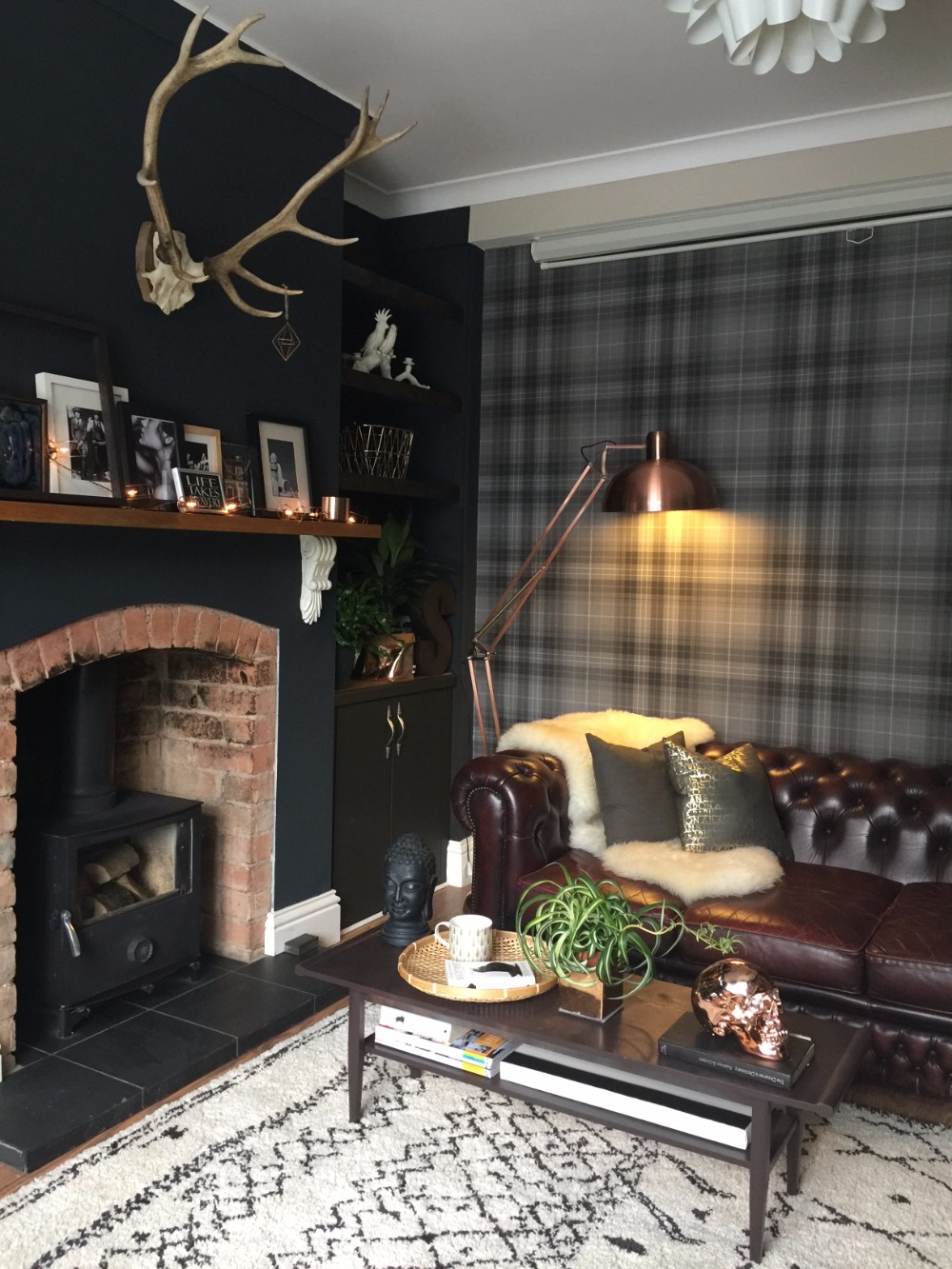
Its rhythmic alternation of hues forms a captivating rhythm, breathing life into shirts, skirts, and furnishings alike. The shepherd's check's ability to seamlessly amalgamate tradition and versatility cements its position as a timeless and cherished choice. Argyle plaid, defined by its fusion of diamond-shaped checks and intersecting diagonal lines, is a hallmark of sophistication often linked with sweaters and socks.
More Fabric Types
The right color combination enhances the overall look of the pattern, making it appealing to the eye. Believed to have originated in Scotland, the houndstooth plaid pattern dates back to 300 B.C. It’s one of the most popular plaid types and is the easiest to identify since it’s one-of-a-kind. Each square has layers of sharp edges patterns consisting of a shape that looks like a dog tooth. As you peel away the tape, the crisp lines and sharp boundaries of your plaid pattern will be revealed, showcasing the precision and effort you put into the painting process.
With a few simple steps, you’ll be creating your own unique designs in no time. Learning what is plaid fabric and how it differs from check and tartan will make you a better dressmaker, tailor, interior designer, or certified fashionista. Whatever your reason for learning these different patterns, correctly identifying them is a piece of knowledge worth gaining.
Lastly, thicker fabrics with woolen yarn are usually used for plaid kilts and jackets. With this textile design software you can create every pattern imaginable. Just pick your color palette and start weaving them together. Once you’ve marked the horizontal lines, it’s time to create straight and crisp vertical lines using painter’s tape.
This step will provide a solid foundation for your plaid painting. Distinguished by its robust and sizable checks, Buffalo plaid stands as an emblem of rugged authenticity, deeply tied to the lore of lumberjack heritage. This iconic pattern seamlessly marries the essence of nature and ruggedness. Gingham plaid, celebrated for its consistent arrangement of diminutive checks, emanates a rustic allure that returns to simpler times.
White and yellow stripes add a striking and distinctive touch to the Wallace Modern Tartan, a bold blue, green, and red colour scheme. According to legend, this tartan is influenced by the green hills, blue lochs, and red heather of Scotland’s natural landscape that dates back to 1842. For many decades, houndstooth has been a classic and timeless pattern. This pattern originated in Scotland in the 19th century and was originally used for outerwear and suits for men.
Ensure that the paint is evenly applied and covers the entire area of the stripe. Use long, smooth brush strokes to achieve a consistent finish. Take your time and exercise patience to maintain a clean and precise base color. Its bold color palette and distinguished arrangement pay homage to a lineage steeped in history. A symbol of nobility, this tartan traverses time, embodying a deep connection to tradition and the esteemed legacy of the Stewart dynasty. The interplay of these intricate elements forms a captivating narrative that exudes elegance and sophistication.
In Fashion and Apparel Design, you’ll find your authentic voice through garments, fabrics, patterns and sustainable design. In the spirit of inclusion, you’ll make clothing for everyone. The gold accents on each nail add an incredibly elevated touch to the plaid look. These glossy brown French tips are incredibly luxe and elevated on their own. However, the orange and white plaid accents on the ring and index finger add another unique twist to the classic mani. Tattersall is composed of thin bands which cross over evenly throughout, resulting in a sequence of small squares.


No comments:
Post a Comment