Table Of Content
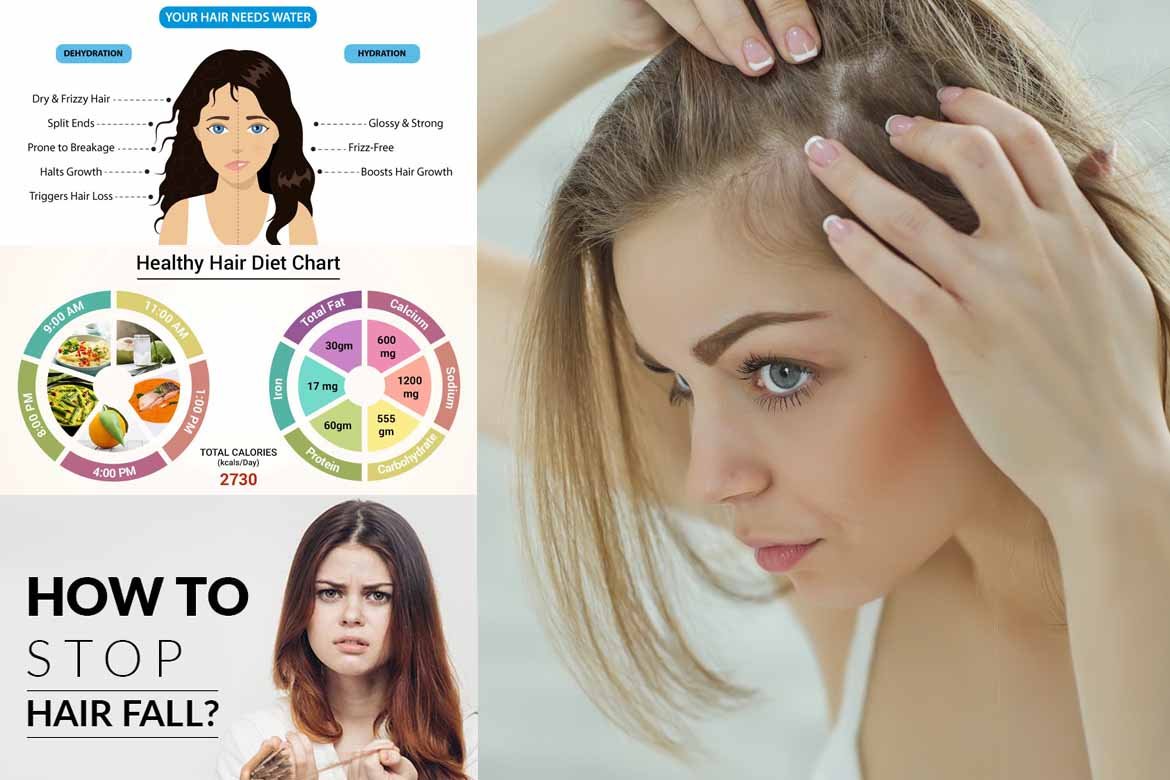
It's typical to lose some hair every day as part of your hair’s usual growth cycle. For most people, the lost hair grows back, and you maintain a full head of hair. But illness, hormonal changes, stress, aging and inherited conditions can interfere with your hair’s growth cycle. More hair falls out, but new strands don’t always grow back. Beyond your normal growth and shedding cycle, according to Nazarian, there are a long list of triggers for hair shedding (or hair loss).
Special Health Reports
Physical, mental, or emotional stress, along with certain medications, can cause larger-than-normal amounts of hair follicles to push into the resting phase of the hair cycle. When this occurs, as much as 70% of scalp hair can fall out, often in handfuls, around two months after the trigger. Coconut oil is one of the best home remedies for hair fall. It can penetrate deep into your hair shafts and prevent protein loss. This helps reduce hair damage and breakage often caused by physical trauma like harmful hair styling techniques and the use of harsh products (2).
Wash and dry your hair gently.
Omega-3 helps reduce low-grade inflammation and stress (7). You may also consult a doctor and take omega-3 supplements. This is considered the most effective treatment for people who have a few patches of alopecia areata, a condition that causes hair loss.

Are there side effects of medications that can prevent baldness?
10 foods that promote healthy hair and stop hair fall - Mint
10 foods that promote healthy hair and stop hair fall.
Posted: Thu, 22 Feb 2024 08:00:00 GMT [source]
Elevate your nutrition game by adding more greens, nuts and seeds to your diet. Genetics, hormonal changes, certain medications, medical conditions, excessive styling, natural aging, stress, and nutritional deficiencies may cause or trigger hair loss. After testing your hair to find out the root cause of your hair fall, your physician may recommend medications, laser therapy, or hair transplant surgery. You may also opt for a more natural approach and use home remedies to control hair fall. Coconut oil, Indian gooseberry, fenugreek seeds, green tea, henna, and curry leaves are among the most effective ingredients you can use to reduce hair fall by inducing hormonal balance.
document.getElementsByTagName('head') .appendChild(rs);
Side Effects Of Rice Water On Hair: Dermatologists Explain Trend - TODAY
Side Effects Of Rice Water On Hair: Dermatologists Explain Trend.
Posted: Tue, 13 Feb 2024 08:00:00 GMT [source]
Eating fruits, vegetables and protein — the main ingredients in the Mediterranean diet — can be helpful, especially compared to other trendy diets. Other ways to hit your daily protein requirement include eating beans and legumes, eggs or Greek yogurt.
hair-care habits that can damage your hair
For example, a woman may have had a baby a few months ago, and this may be causing obvious hair shedding. She may also have early hereditary loss, which isn’t so obvious. Once your dermatologist has this information, it’s often possible to tell you what’s causing your hair loss. Although telogen effluvium doesn’t typically lead to baldness, it may lead to hair appearing thin, especially around the temples and crown of the head. Having excessive hair fall out, or shed, can be upsetting and stressful. However, it is common, and in most cases, it is also temporary.
Vitamins, minerals, and other supplements
"Avoid tight hairstyles and harsh chemical treatments or heat near the scalp," Burg advises. "These can stress follicles and lead to increased hair fall." "Having a healthy, well-balanced diet is also a huge component of having healthy hair," says Nazarian. "Hair requires fat, protein and specific vitamins and minerals to look its best." So stock up on plenty of vegetables, lean meat, and seafood, and avoid any excessively processed foods. "The hair usually grows back on its own, although there are things we can do to help speed up the process," notes Dr. Bhanusali.
Only consider supplementing with biotin, iron, or zinc upon confirmation of deficiencies through blood tests. Some studies show that this procedure can help to stimulate hair growth, especially when used in combination with another treatment, such as minoxidil. Understanding the cause of thinning hair is crucial for effective treatment because different causes require different approaches. Consulting with a healthcare professional, preferably a dermatologist or a trichologist, can help pinpoint the cause and tailor a suitable course of action for addressing thinning hair.
Share your concerns with your doctor.
Your dermatologist might suggest a hair transplant as an option if you're experiencing thinning or balding in a specific area due to male or female pattern baldness. (a) Minoxidil (Rogaine) is an ingredient in over-the-counter medicated shampoos that helps reduce hair loss and stimulates fast hair growth (13). However, it might cause scalp irritation and unwanted hair growth on the sides of the face. Getting 6-7 hours of sleep detoxes and rejuvenates your mind and body, reduces stress, and strengthens the immune system.
Effective treatment for hair loss begins with finding the cause. To get an accurate diagnosis, it helps to see a board-certified dermatologist. These doctors have in-depth knowledge about the many causes of hair loss and experience treating the diverse causes. A dermatologist is a medical doctor who specializes in treating the skin, hair, and nails. While hair loss isn’t itself dangerous, losing your hair is an emotional experience. Unwanted changes to your appearance can influence your self-esteem and social life.
It also comes with a bonus scalp massager so you can really get into those roots. The key is to understand that not all loss of hair is telogen effluvium. Acute hair fall always occurs due to some underlying biological or hormonal reason. We have heard that it’s pretty normal to lose up to 100 strands per day. But, one thing that we seem to be losing more of during the pandemic is our hair. “Hair fall is a normal phase of the hair growth cycle, whereas hair loss is an indication that something is impairing the growth cycle per se.


No comments:
Post a Comment